

nutrition

Food and Drink Ideas for Summer

Staying Cool

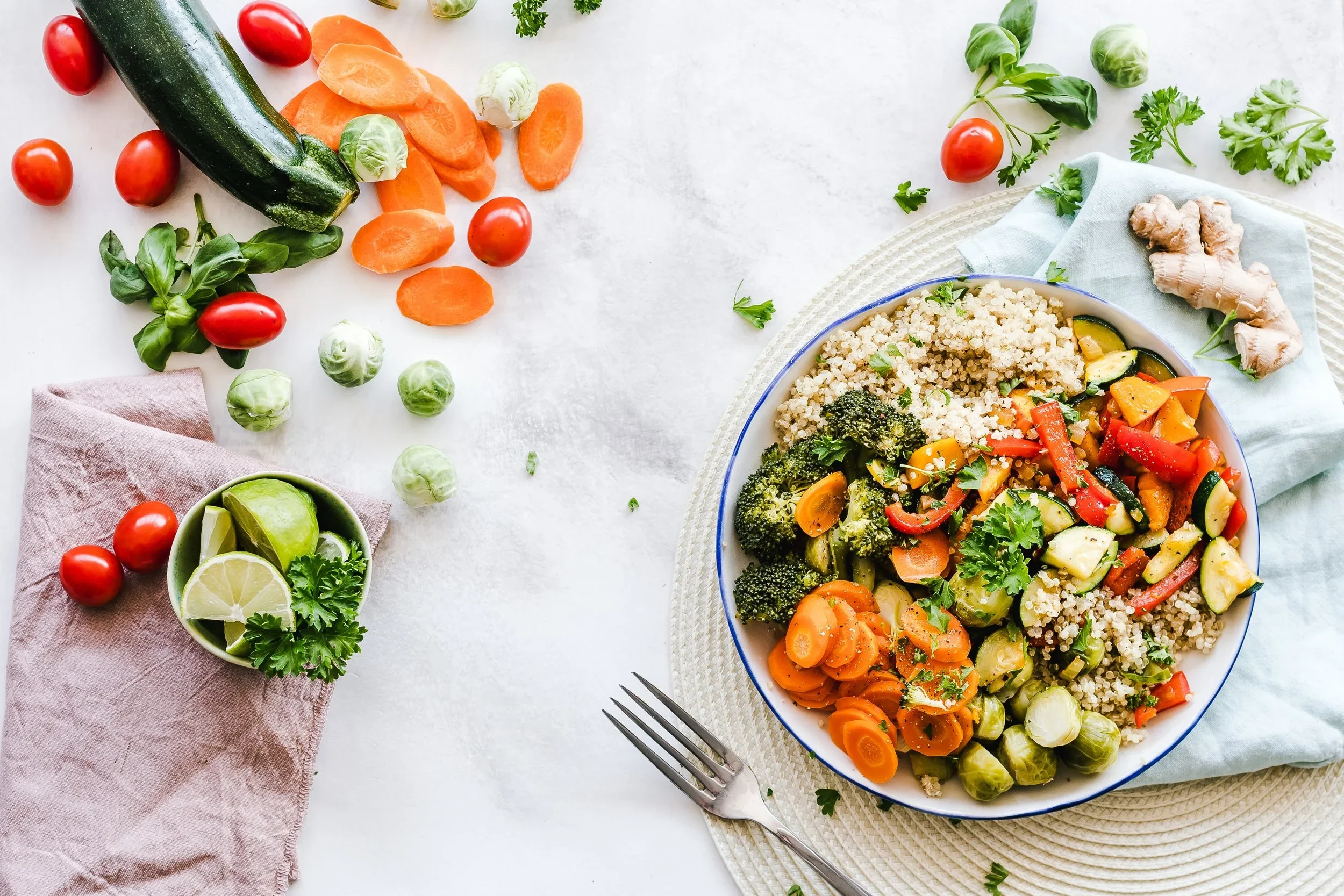
According to Traditional Chinese Medicine (TCM), staying cool in summer relies on eating water-rich, cooling foods to clear internal heat and replenish fluids. In Summer you should use plenty of brightly coloured fruits and vegetables. Bitter Melon helps clear "Heart fire" and reduce internal heat. Cucumbers and Zucchini are hydrating vegetables that cool the body and ease inflammation. Light cooking is in order, steaming and boiling. You may decide to add spice or pungent flavours. Fruits to cool Summer Heat include apples, lemons and limes (Pitchford, 2002). Salads, sprouts and cucumber are suitable for picnics alongside herbal teas. To stay cool while cooking at home during the summer, focus on meals that do not require cooking like watermelon, tomatoes, lettuce and cucumber. Chilled soups, yoghurt, watermelon and salads can also be used.

What to Eat

Watermelon is considered to have many benefits in Chinese Medicine. It is a source of vitamin C and lycopene. Lycopene is an antioxidant. Due to its thick skin, the exposure to pesticides is low.

Strawberries are cooling in nature, making them the perfect summer food. Other cooling foods include kholrabi, cilantro, parsley, asparagus, sprouts, lettuce, corn, cucumber, spinach, and mint.

What to Drink

Green tea, mint tea, Chrysanthemum tea, Coconut water. Mung bean soup is a classic sweet soup used to dispel summer heat and detoxify.

What to Avoid

Sweeteners, spicy foods, fried foods, alcohol or caffeine. These are heating rather than cooling foods and drinks. Avoid Ice. TCM warns against ice-cold drinks because they shock and weaken your digestive fire (Spleen and Stomach). Try for room-temperature or cool items instead.

References

https://jenniferdubowsky.com/summer-fire-joy-and-food/?fbclid=IwAR38tklAc4ZGn52EzXFOGyQOlzdeWaUNqFaH1TkhmsfrvWQFbypmuv8qXZY

Pitchford, 2002, Healing with Whole Foods Asian Traditions and Modern Nutrition, North Atlantic Books, Berkeley

https://www.pingminghealth.com/article/581/warming-and-cooling-characteristics-of-common-foods/


Foods for Winter

In winter the yin is emphasized. We tend to be more receptive and introspective. We may move less and eat more. The outer surface of the body cools and we emphasize warming the core. It is a time to rest and meditate, though some exercise is useful to keep us supple and healthy. A little extra weight can help to insulate the body. The kidneys are the organ most affected by wintertime.

We may crave warm filling soups such as Winter root soup, cream of carrot soup and gypsy soup. We may also crave roasted nuts and vegetables. The kidneys can be strengthened by small dark beans and steamed winter greens. The salty and bitter flavours can help to sink and center the energy which is important for storage. Salty foods are softening and moistening. Bitter foods and draining and cooling. Be careful with adding salt as it may cause coldness. Bitter-flavoured foods can also help to warm the heart.

Examples of bitter foods include citrus peels, chicory, and burdock roots. Foods with some bitter quality include broccoli, cabbage, cauliflower, rye, kale, oats, carrot top, and amaranth. Dandelion tea is bitter. If you are still feeling cold cloves, fennel seeds, black peppercorn, black beans, onions, leeks, garlic, and ginger can help. Warming drinks like ginger cinnamon tea can help too.

Millet, seaweed and seafoods, barley, miso are salty foods. Foods often contain added salt. It’s important to less raw foods in winter if you live in a cold climate since they are cooling. Fruit smoothies are particularly cooling if the pulp is removed.

If you live in a cold and damp climate in winter bitter and pungent flavours are good for balance. Root vegetables, leeks, radishes and duck are suitable. If you live in a cold and dry environment in winter then pungent and salty foods are good for balance. Animals that live in the forest are designed to deal with the cold and damp climate. These include chicken, cows, and river fish. Rice, rye and pearl barley are appropriate.

To avoid overeating eat slowly. This allows us to sense when we are full and if we chew the food for longer it allows our saliva to begin the process of digestion.

Pitchford, 2002, Healing with Whole Foods Asian Traditions and Modern Nutrition, North Atlantic Books, Berkeley

Miles, 2013, Enlighten Weight Cultivate the Garden Within, Oregon