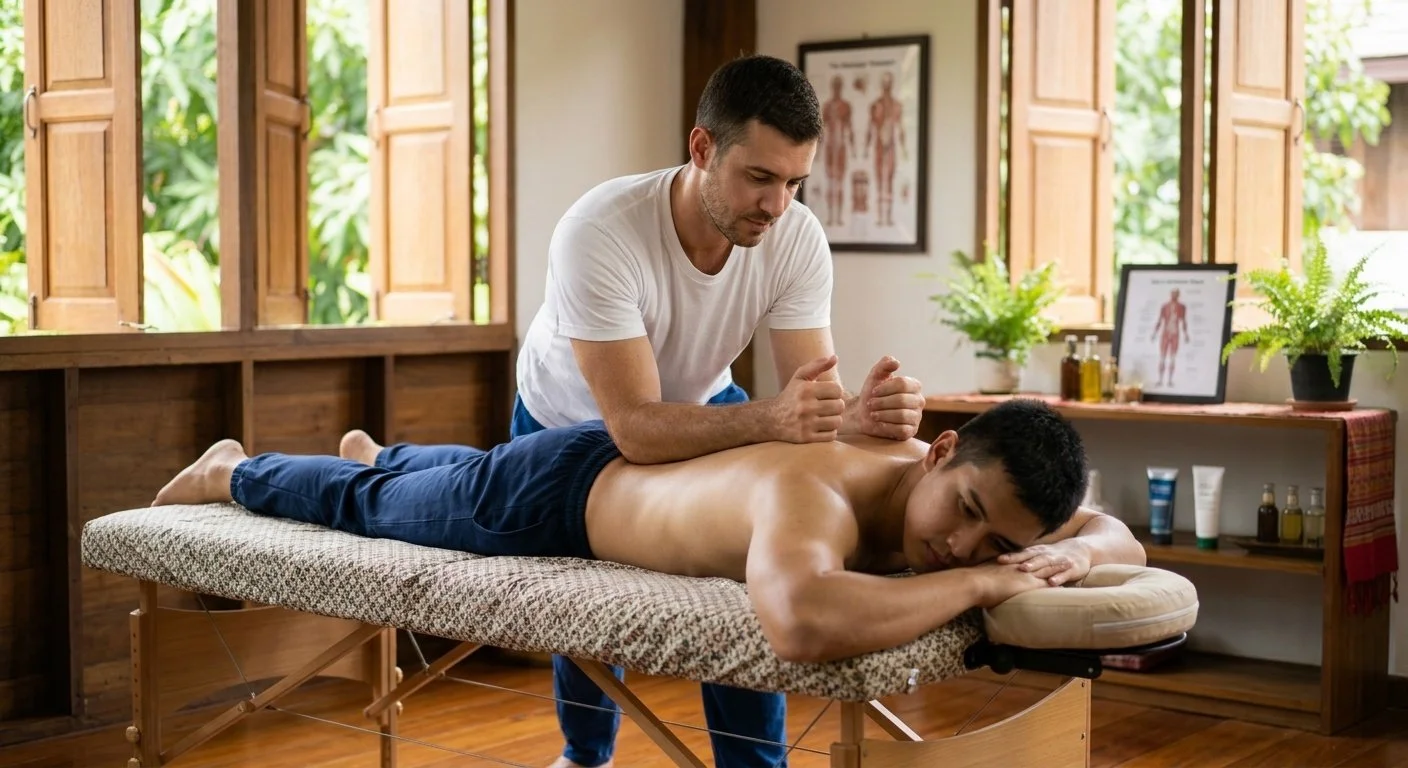

Moxibustion

What is Moxibustion?

Moxibustion is a traditional Chinese medicine therapy that involves burning dried mugwort, a spongy herb also known as moxa, near the skin to stimulate acupuncture points. The moxa can be compressed into sticks, cones, or placed directly on the skin (known as direct moxibustion), or placed on top of an acupuncture needle (known as indirect moxibustion).

Moxibustion is used to promote healing, relieve pain, and improve overall health by stimulating the flow of qi (pronounced "chee"), which is believed to be the body's vital energy. It is often used in conjunction with acupuncture and other traditional Chinese medicine therapies. Moxibustion has also been studied in modern Western medicine, and some research suggests it may be helpful in treating conditions such as menstrual pain, arthritis, and digestive disorders.

Answers to some Frequently asked questions about moxibustion

answers to frequently asked questions about moxibustion

Here are some frequently asked questions about moxibustion, along with their answers:

Q: What is moxibustion used for? A: Moxibustion is used to treat a wide range of conditions, including chronic pain, arthritis, digestive disorders, menstrual pain, and fertility issues. It is also used to boost the immune system and improve overall health.

Q: How is moxibustion performed? A: Moxibustion can be performed using various techniques, including direct, indirect, and warm needle moxibustion. In direct moxibustion, a small cone or ball of moxa is placed directly on the skin and burned until it is extinguished. In indirect moxibustion, the moxa is burned near the skin, but not in direct contact with it. Warm needle moxibustion involves placing a small amount of moxa on the handle of an acupuncture needle and lighting it.

Q: Is moxibustion safe? A: Moxibustion is generally considered safe when performed by a qualified practitioner. However, it is not recommended for people with certain conditions, such as pregnancy, fever, or skin conditions, and it should not be used on open wounds or areas of the body that are inflamed or swollen. Additionally, people who are sensitive to smoke or have respiratory problems should avoid moxibustion.

Q: Does moxibustion hurt? A: Moxibustion is generally painless, although some people may experience a mild sensation of warmth or tingling during the treatment.

Q: How often should I have moxibustion? A: The frequency of moxibustion treatments will depend on your individual needs and the condition being treated. Your practitioner can recommend a treatment plan based on your specific needs.

Q: Can I do moxibustion at home? A: Moxibustion should only be performed by a qualified practitioner who has received training in this technique. Attempting to do moxibustion at home without proper training could be dangerous and is not recommended.

Q: How do I find a qualified moxibustion practitioner? A: To find a qualified moxibustion practitioner, look for licensed acupuncturists or traditional Chinese medicine practitioners in your area who have training and experience in this technique. You can also ask for recommendations from your doctor or from friends or family members who have had moxibustion.

Parts Integration in NLP

What is Parts Integration?

In NLP, parts integration refers to a process that helps individuals resolve inner conflicts by integrating conflicting parts of themselves into a harmonious whole. The goal is to help individuals achieve a state of congruence, where their thoughts, feelings, and behaviors are aligned with their values and goals.

The process typically involves identifying the conflicting parts, understanding their underlying motivations and needs, and facilitating communication and negotiation between them. The ultimate aim is to help the conflicting parts find a common ground and work together to achieve a positive outcome.

Parts integration is a technique used in NLP to help individuals overcome limiting beliefs, negative emotions, and behavioral patterns that may be hindering their personal or professional growth. It is often used in combination with other NLP techniques, such as anchoring, reframing, and visualization, to facilitate positive change and personal transformation.

Answers to some frequently asked questions

What is parts integration in NLP?

  1. Parts integration in NLP is a process that helps individuals resolve inner conflicts by integrating conflicting parts of themselves into a harmonious whole.

  2. How does parts integration work in NLP? The parts integration process involves identifying the conflicting parts, understanding their underlying motivations and needs, and facilitating communication and negotiation between them. The goal is to help the conflicting parts find a common ground and work together to achieve a positive outcome.

  3. What are some benefits of parts integration in NLP? Parts integration can help individuals overcome limiting beliefs, negative emotions, and behavioral patterns that may be hindering their personal or professional growth. It can also help individuals achieve a state of congruence, where their thoughts, feelings, and behaviors are aligned with their values and goals.

  4. How long does parts integration take in NLP? The length of the parts integration process can vary depending on the individual and the complexity of the conflicting parts. It can take anywhere from a few minutes to several hours.

  5. Can parts integration be done on your own? While it is possible to do parts integration on your own, it is often more effective to work with an experienced NLP practitioner who can guide you through the process and provide support and feedback.

  6. Is parts integration a permanent solution? Parts integration can be a powerful tool for facilitating positive change and personal transformation, but it is not a guarantee of permanent change. It is important to continue practicing self-awareness and to use other NLP techniques to reinforce the positive changes achieved through parts integration.

  7. What are some other NLP techniques that can be used in combination with parts integration? Other NLP techniques that can be used in combination with parts integration include anchoring, reframing, visualization, and timeline therapy, among others.

What is Timeline therapy (tm) - answers to some frequently asked questions

Here are answers to some frequently asked questions about Timeline Therapy:

What is Timeline Therapy?

Timeline Therapy is a type of therapeutic technique that focuses on the concept of time and how it affects the way we think, feel, and behave. The goal of Timeline Therapy is to help individuals let go of negative emotions and limiting beliefs that are holding them back from achieving their goals. It was created by Tad James (MS PhD) back in the 1980s.

How does Timeline Therapy work?

During a Timeline Therapy session, the therapist will guide the individual into a relaxed state and then ask them to visualize their timeline - a mental representation of their past, present, and future. Most people know about their timeline and can tell whether it is organized from back to front or left to right, or some other way. The therapist will then help the individual identify and release negative emotions and limiting beliefs that are associated with specific events in their timeline.

What are the benefits of Timeline Therapy?

Some potential benefits of Timeline Therapy include:

  • Letting go of negative emotions and limiting beliefs

  • Improving self-esteem and confidence

  • Resolving past traumas and emotional pain

  • Achieving greater clarity and focus

  • Creating a more positive and fulfilling future

Is Timeline Therapy Effective?

A study published in the Journal of Contemporary Psychotherapy in 2017 examined the effectiveness of timeline therapy in treating anxiety and depression. The study found that timeline therapy, when combined with cognitive-behavioral therapy, led to significant reductions in symptoms of anxiety and depression.

  1. Another study, published in the Journal of Psychology and Clinical Psychiatry in 2017, investigated the effects of timeline therapy on symptoms of post-traumatic stress disorder (PTSD) in a group of veterans. The study found that timeline therapy, when combined with other therapies, led to significant reductions in PTSD symptoms and improved overall well-being.

  2. A study published in the Journal of Rational-Emotive and Cognitive-Behavior Therapy in 2014 examined the effects of timeline therapy on reducing procrastination in a group of college students. The study found that timeline therapy, when combined with other cognitive-behavioral techniques, led to significant reductions in procrastination and improved academic performance.

Overall, these studies suggest that timeline therapy may be an effective approach for treating a variety of mental health issues, including anxiety, depression, PTSD, and procrastination. However, more research is needed to further evaluate the effectiveness of this approach and to determine which types of individuals may benefit most from timeline therapy.

Who can benefit from Timeline Therapy?

Timeline Therapy may be beneficial for individuals who are struggling with negative emotions and limiting beliefs that are holding them back from achieving their goals. It may also be helpful for individuals who have experienced past traumas or emotional pain. However, it is important to note that Timeline Therapy may not be appropriate for everyone and should only be pursued under the guidance of a qualified therapist.

What is Hypnotherapy - answers to some frequently asked questions

Hypnotherapy is a type of therapy that uses hypnosis to help individuals make positive changes in their lives, address emotional and psychological issues, and achieve their goals. Here are some frequently asked questions about hypnotherapy:

  1. What is hypnosis?

Hypnosis is a state of focused attention and relaxation, where the individual is able to access their subconscious mind more easily. It is a natural state that we experience many times in our daily lives, such as when we get lost in a book or daydream. During hypnosis, the individual is guided by the hypnotherapist to relax and enter a trance-like state, where they are more open to suggestion and can explore and resolve issues at a deeper level.

  1. Is hypnotherapy safe?

Yes, hypnotherapy is safe when practiced by a trained and licensed hypnotherapist. The individual remains in control throughout the session and cannot be made to do anything against their will. Hypnosis is a natural and safe state that we experience many times in our daily lives.

  1. What issues can hypnotherapy help with?

Hypnotherapy can help with a wide range of emotional and psychological issues, including anxiety, depression, phobias, smoking cessation, weight loss, self-esteem, and confidence. It can also be used to help individuals improve their performance in sports or other areas of life, such as public speaking or creative endeavors.

  1. How long does a hypnotherapy session last?

A hypnotherapy session typically lasts 60 to 90 minutes. The number of sessions required depends on the individual and the issue being addressed, but most people experience positive changes after just a few sessions.

  1. Will I lose control during hypnosis?

No, you will not lose control during hypnosis. You will remain aware of your surroundings and in control of your thoughts and actions throughout the session. The hypnotherapist will guide you through the process and make suggestions to help you achieve your goals, but you will be in control at all times.

  1. How does hypnotherapy work?

Hypnotherapy works by accessing the subconscious mind, where deep-seated beliefs and emotions reside. The hypnotherapist guides the individual into a state of hypnosis, where they are more receptive to suggestion and can explore and resolve issues at a deeper level. By accessing the subconscious mind, the individual can reprogram negative thought patterns and beliefs and replace them with positive ones.

  1. What should I expect during a hypnotherapy session?

During a hypnotherapy session, you will be guided into a relaxed state of hypnosis. The hypnotherapist may use relaxation techniques, visualization, and positive suggestions to help you achieve your goals. You will remain aware of your surroundings and in control at all times. After the session, you may feel relaxed and energized, with a renewed sense of motivation and focus.

  1. Can anyone be hypnotized?

Most people can be hypnotized, but some individuals may be more resistant than others.


What is Neurolinguistic Programming (NLP)

What is Neurolinguistic Programming (NLP)?

Neurolinguistic Programming (NLP) is an approach to communication and personal development that aims to help people improve their thinking, behavior, and communication skills. It is based on the idea that our thoughts, feelings, and behaviors are interconnected, and that by changing the way we think and communicate, we can achieve our goals and improve our lives.

What are some applications of NLP?

NLP has a wide range of applications, including personal development, coaching, therapy, education, business, and leadership. Some specific examples of NLP techniques and applications include goal setting, overcoming limiting beliefs, improving communication skills, building rapport, managing emotions, and improving performance in various areas.

What are some common NLP techniques?

There are many NLP techniques, but some common ones include:

  • Anchoring: linking a particular emotion or state of mind to a specific physical or sensory cue.

  • Reframing: changing the way we view a situation or problem to create a more positive or constructive perspective.

  • Rapport-building: establishing a connection with someone else by matching their language, tone, and body language.

  • Visualizing: creating a mental image of a desired outcome or goal.

  • Timeline therapy: using mental timelines to help individuals overcome past traumas or negative experiences. These include the emotions: anger, fear, hurt, sadness, guilt, and anxiety.

Is NLP a form of therapy?

NLP can be used as a form of therapy, but it is not considered a replacement for traditional psychotherapy or medical treatment. Instead, it is often used as a complementary approach to help individuals overcome limiting beliefs, improve communication skills, and achieve their goals. It is important to work with a trained professional who is knowledgeable about NLP techniques and their appropriate use in therapy or coaching.

Is NLP suitable for everyone?

NLP may not be suitable for everyone, particularly those with serious mental health conditions or medical conditions that require specialized treatment. It is important to consult with a trained professional to determine if NLP is an appropriate approach for your individual needs and goals.

How can I learn more about NLP?

There are many resources available for learning more about NLP, including books, online courses, and workshops. It is important to seek out reputable sources and work with trained professionals who have experience in using NLP techniques effectively.

Frozen Shoulder

There are many types of shoulder injuries. Frozen shoulder, also known as adhesive capsulitis, is what happens when your shoulder capsule thickens, making your shoulder stiff, tight, and hard to move. The shoulder then forms bands of tissue called adhesions. The end result? Pain and an inability to move your shoulder over time. This can make it hard to do tasks like reaching overhead or reaching behind you.

Acupuncture is a safe and effective way of treating frozen shoulder. Acupuncture needles are inserted around the shoulder area (front and back), upper arms, elbow, hand and in any relevant myofascial trigger points. It helps to reduce inflammation, pain and shoulder stiffness. Acupuncture and moxibustion, along with appropriate exercises I will demonstrate, help to increase range of motion and mobility by increasing blood flow to the area.

The Effectiveness of Acupuncture in the Treatment of Frozen Shoulder is discussed in the Journal of Evidence based and complimentary medicine. The Effectiveness of Acupuncture in the Treatment of Frozen Shoulder: A Systematic Review and Meta-Analysis (hindawi.com)

Relaxation and healing session

I am going to take you through a process to help you to relax. It will start at the top of your head and go down to your feet. Breath in for a count of 4 and out for a count of 8. If this feels awkward try a count of 3 for the in breath and 6 for the out breath instead. As you breath feel the belly expanding on the in breath and coming back in on the out breath. Keep up this breathing pattern throughout. Bring your attention to the top of your head. Relax the top of your head. Relax your forehead. Feel that this is smoothing out any wrinkles in your forehead. Feel the muscles around and behind your eyes relaxing. Relax your jaw and the muscles around mouth. You may feel your teeth starting to part as you relax. Rest your tongue on the roof of your mouth. Relax the muscles in your neck. The relaxation continues into your shoulders. Feel them dropping and any tension in them starting to release. Take your attention now to your arms. Relax the upper arms, the elbows and the forearms. Feel the wrists and hands relax. Your fingers may stretch as they relax. You may feel a tingling sensation in them as the blood flows to the area. Relax the chest and upper back. The relaxation flows down to the belly and lower back. Relax your waist, hips and buttocks. The relaxation continues down the thighs, the knees and the calves. Feel the ankles relax, the feet and the toes. The feet and toes may move as the tension is released. Now center your self and feel the breath slowly coming in and out. Now your are in a good frame of mind for the healing session.

highres_482684584.jpg

I've created a healing session to help with Autumn and the Metal Element. In the body the Metal Element consists of the Lungs and Large Intestine. The Lungs take in air. In Chinese Medicine they take in the Qi from the Heavens. The Large Intestine lets go of waste material. On a more emotional level it's important to be able to freely accept gifts and compliments. To appreciate beauty in the world. It can be helpful to write a list of things in our life that we are grateful for. It's also important to let go of things we no longer need. In Autumn the trees let their leaves fall. They do not cling onto them. To receive the healing you will need to call it in. This is done via intention. Here is how to do it: relax, and state your intention out loud or silently, to receive this Autumn Healing Session from Geoff, for your highest good and highest healing. If you are visual you can concentrate on the picture above. Allow 15 minutes for the healing session to complete. If you enjoyed the relaxation and healing session feel free to leave a comment below.

How the Microbiome affects health

bacteria-icon-2316230_960_720.png

The microbiome consists of the harmful and beneficial microbes in the body. Some a symbiotic meaning they help both the host and the microbiota. Others are pathogenic meaning they promote disease. Most of these are in the gut but some lie elsewhere. A microbe is a microorganism, especially a bacterium that causes disease or fermentation (Oxford English Dictionary). According to the Centre for Ecogenetics and Environmental Health humans are mostly microbes. Microbes outnumber our human cells ten to one. The bacteria in the microbiome aid food digestion, protect against harmful bacteria, and produce vitamins including B12, thiamine and riboflavin, and Vitamin K, which is needed for blood coagulation. The Human Microbiome Project (HMP) funded by the National Institutes of Health (NIH) is worldwide research mapping the human microbiome.

Your gut bacteria may be responsible for your insomnia according to an article by nutritionist Judy Chinitz in biomedbuzz.com. According to the research pro-inflammatory cytokines like interleukin-6 seem to be the link between sleep and the gut microbiome. The dysregulation of this cytokine has been linked to other autoimmune diseases such as rheumatoid arthritis, osteoporosis and psoriasis. Increased gut bacterial diversity has been associated with better sleep. In particular Bacteroidetes and Firmicutes are positively associated with sleep efficiency.

In the Western world we are not concerned about dietary iron (Martin, November 07, 2019). However about a quarter of the worlds population is iron deficient. The gut bacteria play a role in where this iron goes to. Iron deficiency anaemia can lead to symptoms such as shortness of breath, fatigue and heart palpitations. Too much iron can lead to a condition called haemochromatosis.

People with fibromyalgia have different gut bacteria reports Catherine Paddock in Medical News Today (June 24, 2019.) A study in women showed that 19 different gut bacteria were present in higher or lower numbers in patients with fibromyalgia.

Tea compounds and the Microbiome. "The findings (of the study in pubmed) appear to support the hypothesis that tea ingestion could favourably regulate the profile of the gut microbiome and help to offset dysbiosis triggered by obesity or high-fat diets."

Western Lifestyle can be a threat to gut bacteria. ScienceDaily.com report on a study of a common gut microbe. Previous studies have shown a connection between Western Lifestyle and obesity, GI disorders, allergies and autoimmune disease. Prevotella copri a microbe found in the intestine of Ötzi, the iceman found in Ötztal Alps and in non westernised countries is only present in 30% of Western Individuals.

An article in medicalxpress.com looks at how genetic differences in the immune system shape the microbiome of mice. Most of the differences are due to innate polymorphic genes, or different variations of genes in the MHC.

Probiotics May Actually Be Hurting Your ‘Gut Health’ according to The Wall Street Journal (October 21, 2019). Taking probiotics that often only include two strains of bacteria can lead to a reduction in the variety of healthy bacteria in our body.

I can help you to improve your Microbiome (gut bacteria) by giving you dietary advice that is tailored to you.

Exercise and Fitness

exercise

Keith Anderson writes in The Guardian (Sun 29 Sep 2019) writes about “How to get started as a runner.“ He recommends a gentle approach if you are not used to exercise. “Body conditioning is a good way to ease yourself in; cross-training leading on to easy runs is better than going from zero to flat out.” Keep it fun and comfortable. A 20-30 minute run is likely to keep you motivated.
https://www.theguardian.com/lifeandstyle/2019/sep/29/how-to-get-started-as-a-runner?fbclid=IwAR2eHjcF5Ir_PSfhTxSIRmnsb_3fxJfaU675f6Edj5gmMTJ8DMSKQtTjs3c

Dancing makes you happy according to psychology-spot.com. In a two year study psychologists looked at the effect of regular dance classes on teenagers who suffered from anxiety, depression and stress, in addition to presenting psychosomatic symptoms such as neck and back pain. After two years, the group that attended dance classes showed a significant improvement in psychosomatic symptoms and an increase in happiness.
https://psychology-spot.com/dancing-makes-me-happy/?fbclid=IwAR1--vIV6R8gHoX4vDj9woDRtdaXA4vUHOwdPMrT_mGeF7sHyKZLpephMdQ

Higher Perspective write about hip and lower back pain. It affects 30 million people between the ages of 20 and 64. Our sedentary lifestyles lead to tightness, especially between the shoulders, and pain. It offers nine east stretches to release and relive this pain.

https://www.higherperspectives.com/easy-stretches-2627924630.html?fbclid=IwAR2pK0wTdOnRQgsl07UuJyaSylUA0ZmxJN2h8CSsGxjL_Glzl7q-Jbl6zbE

Gretchen Reynolds writes that physically fit young adults have healthier white matter in their brains and better thinking skills than young people who are out of shape (The New York Times, Oct. 5, 2019)

https://www.nytimes.com/2019/10/02/well/move/being-young-active-and-physically-fit-may-be-very-good-for-your-brain.html?fbclid=IwAR3PJt5US9cjEKDFSkWaglLitvkG564sQE4Dya36M31fH1vShQ3De-ALYtA

Walking 8900 steps per day could lower risk of Alzheimer's according to researchers from Harvard University:

https://www.independent.co.uk/life-style/health-and-families/alzheimers-disease-dementia-walking-health-study-risk-a9007846.html?fbclid=IwAR2soBYHy4pgEu9St0l_2h5A-JNvz9f_k2igpcoKUBGNSB_5TR3oyecbj8M

Simple exercise you enjoy may be better than obsessive exercise writes Gwendolyn Smith in The Guardian (July, 2019):

https://www.theguardian.com/lifeandstyle/2019/jul/15/eating-disorder-obsessive-exercise-swimming-plumpness-power?fbclid=IwAR1cL1T1LYb3igrj57YBx0ssAbdg5makDtqSimLVzvCOdljrTL5e1M6DjUM

Neuroscientist Shane O’Mara believes that plenty of regular walking unlocks the cognitive powers of the brain like nothing else. Amy Fleming (The Guardian, July 2019) met him on a walk to discuss his findings:

https://www.theguardian.com/lifeandstyle/2019/jul/28/its-a-superpower-how-walking-makes-us-healthier-happier-and-brainier

Stretching before exercise does not reduce the risk of local muscle injury: a critical review of the clinical and basic science literature:

https://europepmc.org/abstract/med/10593217

I have studied Qigong at the College of Chinese Medicine as part of my Acupuncture Degree. I have also Taiji and Qigong for nearly twenty years. This enables me to offer the right exercises to help recover from stiffness and also from musculoskeletal injuries.

Diet and Nutrition a look at some recent blogs, recipes and articles

carrots-cucumber-delicious-1640777.jpg

A summary of recent articles relating to Celiac Disease

https://gluten.org/branchnews/digestive-disease-week-ddw-2019/?fbclid=IwAR1jdXJCHPg2IU5O_ZfMx4csYZkoknxaE4ovHkfCmickb8ZWjyZ8IWbTYhE

TED talk on Gluten intolerance with Dr Rodney Ford who studied it extensively. He describes gluten as an antinutrient. The body can’t digest it and it causes digestive problems including bloating, diarrhoea and constipation, tiredness and depression.

https://www.youtube.com/watch?v=J6JrHteOsII&feature=youtu.be&fbclid=IwAR3P8XMA5_-EFTmqhnll1FrdT0Pmlh2K3BvgdBM37qfmGpkIm5lVqwUvuEA

The Microbiome is what we eat reports technologynetworks.com (July, 2019). What and how we eat influences health and disease. Our dietary patterns in turn influence our Microbiome (Gut Bacteria.) If our diet is good then it will have potentially beneficial bacteria and if it is poor it will have potentially harmful bacteria. The microbiome forms part of our immune system and affects inflammation, nutrition uptake and synthesis of vitamins.

https://www.technologynetworks.com/immunology/news/our-microbiome-is-what-we-eat-321772?fbclid=IwAR3G1ty5IPFEBpGa_XZhzH8q3oklOoMIH6TDjQcs5qUWgMklY1doDpkzPVg

Summer is a good time to eat foods that are considered to be energetically cooling. Acupuncturist Jennifer Dubowsky writes about Summer, Fire, Joy and Cooling Foods (June, 2019). Salads are cooling, strawberries and watermelon are in season. Mint tea and green tea are a good alternative to Iced Tea:

https://jenniferdubowsky.com/summer-fire-joy-and-food/?fbclid=IwAR38tklAc4ZGn52EzXFOGyQOlzdeWaUNqFaH1TkhmsfrvWQFbypmuv8qXZY

An observational study suggests possible link between sugary drinks and cancer reports Neurosciencenews.com (July, 2019.) The study published in the British Journal of Medicine. There is a growing body of evidence that we can reduce cases of cancer by limiting sugar intake. The consumption of sugary drinks has risen over the last decade and has been linked to obesity:

https://neurosciencenews.com/sugar-drink-cancer-14456/?fbclid=IwAR0XHUPFHLtkaNVijmaKBF07VePW5gf1sJkLxcs0m7N6jse9tyHxXTEsIX0

Research shows that drinking Matcha tea can reduce anxiety according to Neurosciencenews.com (July, 2019.) Japanese Machta tea is growing in popularity. It has been used for medicinal purposes throughout history. What was lacking was scientific evidence to back up these claims. “Mice given Match extract showed a reduction in anxious behaviors. The calming effects are a result of Matcha activating dopamine and serotonin receptors.”

https://neurosciencenews.com/matcha-tea-anxiety-14443/?fbclid=IwAR0tOojJZ8TbaS0jHtdtyL_I9VZJ4--waON1FqLzJCtwuD8Q3yhpi8ielkw

Drinking too much fruit juice (or any sugary drink) linked to premature death risk reports CNN (May 17, 2019.) Sugar sweetened drinks often have no nutritional value. High consumption of sugar has already been linked to obesity, cardiovascular disease, diabetes and elevated triglycerides. According to a study published in the Journal JAMA Network Open “drinking an excessive amount of fruit juice could lead to an increased risk of premature death ranging from 9% to 42%.” The consumption of fruit juice may not be as harmful as sugar sweetened drinks. However both should be limited in children and adults especially for those trying to lose weight according to American Academy of Pediatrics and the Dietary Guidelines for Americans.

https://edition.cnn.com/2019/05/17/health/fruit-juice-sugary-drink-early-death-study/index.html?fbclid=IwAR2_oUNeWA9E-oNwaByLopoWzVEtekm3_S361c1E-9C-337fp5mOKyj1oP0

The Guardian introduces it’s 20 best tomato recipes: part 1. These include tarts, stir fried eggs with tomato, chicken tinda tostadas and tomato fritas among others.

https://www.theguardian.com/food/2019/jul/22/20-best-tomato-recipes-part-1-claire-ptak-tart-fuchsia-dunlop-stir-fry

A more healthy option from the Guardian (Jan, 2019) is their recipe for Carrot, orange and ginger juice from Henry Dimbleby. It is simple to make. “The orange adds zing and the ginger brings an underlying warm buzz”:

https://www.theguardian.com/lifeandstyle/2011/jan/21/carrot-orange-ginger-juice-recipe-henry-dimbleby

References

https://www.bmj.com/content/366/bmj.l2408 Sugary drink consumption and risk of cancer: results from NutriNet-Santé prospective cohort Srour et al. The British Medical Journal June, 2019

https://www.sciencedirect.com/science/article/pii/S1756464619303093?via%3Dihub Anxiolytic activities of Matcha tea powder, extracts, and fractions in mice: Contribution of dopamine D1 receptor- and serotonin 5-HT1A receptor-mediated mechanisms Kurouchi et al. The Journal of Functional Foods Volume 59 August 2019

https://jamanetwork.com/journals/jamanetworkopen/fullarticle/2733424 Association of Sugary Beverage Consumption With Mortality Risk in US Adults A Secondary Analysis of Data From the REGARDS Study Collin et al (May, 2019)